How to Choose the Right Emergency Dentist for Your Family


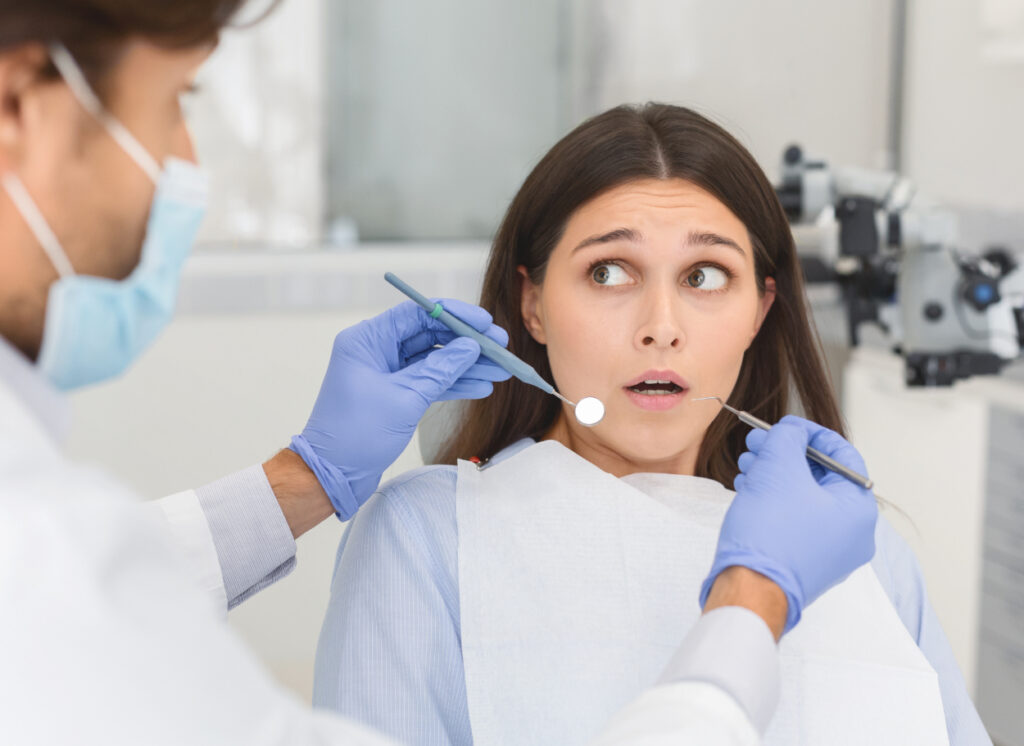
A dental emergency has a way of stripping a decision down to its essentials. A child slips near the pool and chips a front tooth. A parent wakes at 2 a.m. With swelling along the jaw and pain that makes it hard to think. A grandparent loses a crown right before a holiday meal and worries that a minor problem could turn into an infection. In those moments, you are not looking for a glossy website or a clever slogan. You are looking for a practice that answers the phone, gives clear advice, treats pain seriously, and has the skill to make a bad day more manageable.
That is why choosing an Emergency Dentist is better done before anyone in your family actually needs one.
Families often assume they will simply search online when something happens. Sometimes that works. Often it does not. Search results can be misleading, office hours may be outdated, and not every dentist who appears under an “emergency” query is set up to handle urgent problems promptly. Some practices reserve a few same-day appointments and truly prioritize emergencies. Others may only mean they can “fit you in” later in the week.
The difference matters. Dental emergencies move quickly. A knocked-out tooth has a narrow window for the best chance of saving it. An untreated infection can spread. A cracked tooth that seems tolerable on Friday evening can become severe by Saturday morning. Choosing well is part research, part judgment, and part understanding what your family actually needs.
Start with the reality of your household
Not every family should choose the same office.
A household with toddlers and school-age children needs a dentist who can calm frightened patients, explain what is happening in simple language, and move efficiently when a child is in pain. A family with teens in sports should pay close attention to trauma care, after-hours availability, and whether the practice routinely manages fractures, avulsed teeth, and mouthguard guidance. If an older adult in the home has crowns, implants, dentures, dry mouth from medication, or a history of gum disease, the ideal office may need broader restorative and medical coordination experience.
That is the first practical point many people miss. The “best” Emergency Dentist is https://reidvckj041.tearosediner.net/10-signs-you-need-an-emergency-dentist-right-away not some abstract top-rated clinic. It is the one that can respond capably to the kinds of emergencies your family is most likely to face.
Think in specifics. If your child has sensory sensitivities, a rushed, noisy office may be a poor fit even if the dentist is highly skilled. If a family member takes blood thinners or has diabetes, you want a practice that asks the right medical questions and coordinates care appropriately. If you live in a suburb where traffic can double travel time during rush hour, twenty miles may be too far for an emergency, even if the office looks excellent on paper.
Know what counts as a dental emergency
People often delay because they are not sure whether something is serious enough to justify urgent care. That hesitation can make treatment harder and more expensive.
Some situations clearly call for immediate dental attention. Uncontrolled bleeding, facial swelling, trauma to the mouth, a knocked-out permanent tooth, severe toothache with pressure or fever, and a broken tooth with exposed nerve symptoms are the obvious examples. Other problems feel less dramatic but still deserve prompt evaluation, such as a lost filling that leaves a sharp, painful cavity exposed, a cracked crown that changes your bite, or gum swelling that seems to worsen over a day.
A reliable Emergency Dentist should help you sort this out when you call. Good front-desk triage is underrated. The staff member does not need to diagnose over the phone, but they should know which symptoms suggest urgency, ask sensible follow-up questions, and tell you what to do next. If a practice cannot clearly explain whether you should come in right away, monitor overnight, or go to an urgent care center or emergency room for signs of spreading infection or trauma, that is useful information in itself.
Availability matters more than branding
Many families focus on reputation and forget logistics. In routine care, a polished office and glowing reviews may be enough. In urgent care, access is everything.
Ask how the practice handles same-day emergencies. Some offices hold a few appointments open each day. Others will adjust the schedule if a patient calls with swelling or trauma. Some rotate on-call coverage after hours. A few advertise emergency care but rely on voicemail and call-backs the next morning, which can be a problem if the pain starts at night.
When I talk to families about this, I suggest listening for specifics rather than general assurances. “We do emergency dentistry” is not the same as “If your child knocks out a permanent tooth on a Saturday, call this number, store the tooth in milk, and we will meet you at the office within the hour if possible.” The second answer reflects preparedness.
A practice does not need to be open 24 hours to be a good Emergency Dentist. Very few general dental offices are. What matters is whether they have a real system for urgent situations, including instructions outside office hours, triage guidance, and a plan for seeing patients quickly when care cannot wait.
Credentials are important, but fit is broader than training alone
Dentists complete extensive education and licensing requirements, but emergency care still varies from office to office. Some dentists have a strong comfort level with trauma, extractions, root canal triage, and temporary restorations. Others may refer out more frequently, especially for surgical or pediatric cases.
There is nothing inherently wrong with referral when a case requires a specialist. In fact, good judgment includes knowing limits. The key question is whether the dentist can stabilize the problem appropriately and coordinate the next step without wasting precious time.
Look for a practice that can explain, in plain terms, what they commonly treat in-house and what they refer. For instance, many general dentists can manage broken fillings, cracked teeth, abscess evaluation, temporary crowns, and many painful conditions. Impacted wisdom tooth infections, complex jaw trauma, deep sedation needs, or very young children with extensive treatment may require an oral surgeon, endodontist, or pediatric dentist.
This is where family needs again shape the decision. If you have young children, a pediatric dental office with emergency slots may be the best primary option. If your family includes adults with a history of root canal issues, a general dentist with strong emergency diagnostics and close referral ties to an endodontist can be ideal.
A good emergency visit begins before you sit in the chair
The best urgent dental experiences often feel calm despite the circumstances. That usually comes down to systems.
When you call, notice what happens. Are you put on hold repeatedly? Does the staff ask thoughtful questions about pain level, swelling, trauma, fever, allergies, medications, and timing? Do they explain whether you should eat beforehand, bring insurance information, or avoid placing aspirin directly on the gum, a common home remedy that can actually irritate tissue? Do they tell you what forms of payment they accept and whether treatment decisions might be staged?
These details may sound administrative, but they affect care. A family already under stress should not arrive only to discover the office cannot see their child without a guardian signature, does not accept the insurance they implied they took, or cannot perform the X-rays needed to evaluate trauma until another day.
A competent Emergency Dentist balances urgency with clarity. The office should communicate enough to help you prepare, without overpromising what can be fixed in one visit. Sometimes the goal of emergency treatment is complete repair. Sometimes it is pain control, infection management, and stabilization until a longer appointment can be scheduled. Honest expectations are a sign of professionalism.
What to ask before you ever need them
If you are comparing practices, a brief phone call can tell you a surprising amount. You do not need an interrogation. A few direct questions usually reveal whether an office genuinely prioritizes emergency care.
- Do you reserve same-day appointments for dental emergencies?
- How do patients reach a dentist after hours or on weekends?
- What kinds of emergencies do you usually treat in the office?
- If a child or adult has swelling, trauma, or a knocked-out tooth, what should we do first?
- Do you treat children as well as adults, or would pediatric emergencies be referred elsewhere?
Listen not only to the answers, but to how they are delivered. Confident, specific answers suggest experience. Vague, hurried, or inconsistent answers suggest the office may not have a dependable protocol.
Pay attention to how the office handles children
Parents often underestimate how much a dental emergency is also an emotional emergency. A frightened child in pain may be sobbing, clenching, and unable to describe what happened. Even straightforward treatment becomes harder if the team cannot build trust quickly.
This is where bedside manner stops being a soft metric and becomes a clinical advantage. An experienced dentist and assistant know how to lower the temperature in the room. They kneel to eye level. They explain the X-ray machine before bringing it close to a child’s face. They avoid false reassurances like “this won’t hurt at all” and instead use truthful language: “You may feel pressure for a few seconds, and then it should ease.” That style preserves trust.
If your family includes young children, ask whether the practice routinely sees pediatric emergency cases. A general office may be excellent with adults yet less comfortable with a four-year-old who has fallen on a primary tooth and will not open their mouth. Another office may not advertise pediatric specialization, but the staff may have years of practical experience with family emergencies and a calm, efficient approach that works beautifully.
I have seen parents choose a clinic based entirely on proximity, only to regret it when the visit felt chaotic and no one seemed comfortable managing a distressed child. In urgent dentistry, emotional skill and technical skill work together.
Distance, parking, and timing are not small details
A dental office can be outstanding and still be the wrong emergency choice if getting there is difficult under pressure.
Imagine trying to navigate downtown parking with a child holding gauze to a bleeding lip, or driving forty minutes through commuter traffic while a spouse’s face is visibly swelling. In ordinary life, those inconveniences are manageable. In emergencies, they can become barriers to care.
Reasonable travel time matters. So do practical details like ground-floor access, elevator reliability, and whether the office shares a large medical building where finding the suite is confusing. Families caring for older adults or people with mobility issues should also ask about wheelchair access and whether the treatment rooms are easy to enter.
This may seem mundane compared with clinical skill, but real emergencies happen in real bodies, often with stress, pain, and time pressure. Practical access is part of quality.
Understand the money side before emotions take over
Dental emergencies are expensive partly because they compress decision-making. People in pain tend to say yes quickly, sometimes without understanding whether the visit fee covers only evaluation or includes treatment.
A trustworthy office is transparent. That does not mean they can quote every final cost over the phone, because much depends on the diagnosis and X-rays. It does mean they should explain the likely structure of charges. For example, there may be an emergency exam fee, imaging fees, and separate treatment fees if a tooth needs temporary stabilization, drainage, extraction, or a root canal opening.
If you have dental insurance, ask whether the practice is in-network, how they handle claims, and what they require up front. If you do not have coverage, ask whether they offer payment arrangements or financing for larger emergency procedures. Clear financial communication does not make treatment cheap, but it prevents the second shock that often follows the first one.
One practical tip matters here. Keep a small file with your family’s dental insurance details, medication lists, and medical histories where you can find them quickly. During an emergency, even well-organized people blank on basics.
Reviews can help, but only if you read them correctly
Online reviews are useful for patterns, not absolutes. Every dental office will eventually receive an unfair complaint, especially when pain and anxiety are involved. At the same time, a long string of comments about unanswered phones, surprise fees, dismissive staff, or rushed emergency visits should not be ignored.
Look for reviews that describe specific urgent situations. A parent explaining how the office handled a Saturday sports injury tells you more than twenty generic five-star ratings. So does a patient who mentions that the dentist called in medication, made room for them the same day, and explained the treatment plan clearly. Details signal authenticity.
Also watch for how the office responds publicly, if they respond at all. A measured, respectful tone suggests professionalism. Defensive or combative replies can indicate deeper issues with communication.
Red flags that are easy to miss
Some warning signs only become obvious after a bad experience, but many can be spotted ahead of time.
Here are five that deserve attention:
- The office advertises emergency care but cannot explain any after-hours process.
- Staff seem unsure which symptoms are urgent and give inconsistent advice.
- Fees are discussed vaguely, or the office resists explaining how emergency charges work.
- The practice appears unable to treat both the immediate problem and the pain associated with it.
- Communication feels rushed, dismissive, or sales-driven during the first contact.
That last point is worth emphasizing. In emergency care, urgency can create pressure, and pressure can invite overtreatment. A good dentist may recommend a significant procedure when it is needed, but the reasoning should be clear. “This tooth is fractured below the gumline, so a simple filling will not hold” is very different from vague insistence without explanation.
The best offices tell you what to do before you arrive
An experienced Emergency Dentist knows that the first thirty minutes often matter. They should be able to give practical first-aid instructions tailored to the situation.
For a knocked-out permanent tooth, they may tell you to handle it by the crown, not the root, rinse it gently if dirty, and store it in milk or the patient’s saliva while coming in urgently. For swelling and fever, they may tell you not to wait if breathing or swallowing is affected and to seek immediate medical care if those symptoms are present. For a broken tooth, they may advise saving the fragment and avoiding chewing on that side. For bleeding after trauma, they may walk you through firm pressure with gauze.
These are not dramatic interventions, but they show competence. The office that can guide you calmly before you arrive is usually the office that has done this many times before.
Continuity of care matters after the emergency is over
An emergency visit is often just the first chapter. Pain relief is not the same as definitive treatment. A temporary crown may need replacement. A drained infection may still require root canal therapy or extraction. A traumatized tooth may need follow-up vitality testing weeks later. A child with a dental injury may need monitoring as the tooth develops.
That is why it helps if your Emergency Dentist can either provide follow-up care directly or hand you off smoothly with records, X-rays, and a clear treatment summary. Families often remember the first appointment and forget the importance of what comes next. In reality, poor follow-through is where many emergency cases become chronic, expensive problems.
If the emergency office is not your regular dentist, ask how records will be shared. If they are your regular dentist, ask who monitors healing and when you should return. Good emergency care includes a plan, not just a procedure.
Preparing now makes the decision easier later
The smartest time to choose an Emergency Dentist is on a calm Tuesday, not on a painful Sunday.
Save the office number in both parents’ phones, if applicable. Keep the address pinned in your maps app. Confirm office hours once or twice a year because schedules change. If your children play sports, ask about mouthguards at routine visits instead of waiting until after an injury. If a family member has recurring dental problems, clarify where to call first if symptoms flare after hours.
You may never need any of this. That is the ideal outcome. But when a true emergency does hit, preparation removes friction. You are not screening strangers while someone is in pain. You are simply activating a plan.
The right Emergency Dentist for your family is not necessarily the nearest office, the cheapest office, or the one with the flashiest marketing. It is the practice that combines clinical judgment, access, communication, and practical fit. They answer clearly. They know what to do. They treat people, not just teeth. And when the moment comes, they make a difficult situation feel manageable, which is exactly what families need most.
Simple Dental South Gate
Address: 8617 California Ave, South Gate, CA 90280
Phone number: +13236896118
FAQ About Emergency Dentist Southgate CA
What can the ER do for a tooth?
The emergency room can provide temporary symptom relief for a bad tooth, such as prescribing pain medicine or antibiotics, but it cannot fix the actual dental problem.
What is the 3-3-3 rule for tooth infection?
The 3-3-3 rule for a toothache or infection typically means taking three 200 mg ibuprofen tablets (600 mg total) three times a day for no more than three days to control pain and swelling while waiting to see a dentist.
What do you do if you have a dental emergency but no dentist?
If you have a dental emergency and no regular dentist, you should search for an urgent care dental clinic, call local walk-in dental offices, or go to a hospital emergency room if you have severe bleeding, swelling, or trouble breathing.