Emergency Dentist Bakersfield CA: Fast Relief When Tooth Pain Strikes
A dental emergency has a way of shrinking your world fast. What started as a dull ache after lunch can become throbbing pain by evening. A chipped front tooth can feel cosmetic at first, until the sharp edge starts cutting your lip or the nerve becomes exposed. In Bakersfield, where long workdays, youth sports, dry heat, and packed family schedules are part of everyday life, dental problems rarely happen at a convenient hour.
When people search for an Emergency Dentist Bakersfield CA, they are usually not browsing. They are trying to solve something immediate, painful, or unsettling. Sometimes it is obvious, like a knocked-out tooth after a fall. Other times it is less dramatic but still urgent, like swelling in the gums, pain that wakes you from sleep, or a crown that comes off the day before an important meeting.
The first thing to understand is that not every dental problem is an emergency, but many situations should be treated much sooner than people realize. Waiting can turn a manageable fix into a root canal, an extraction, or a spreading infection. I have seen patients try to "tough it out" through a weekend with over-the-counter pain relievers, only to arrive Monday with more swelling, more expense, and fewer treatment options.
What counts as a true dental emergency
The word "emergency" gets used loosely, but in dentistry it has practical meaning. You need prompt attention when pain is severe, when infection may be present, when bleeding will not stop, or when a tooth or restoration has been damaged in a way that threatens function or long-term health.
A cracked molar is a good example. At first, it may only hurt when chewing on one side. That can tempt people to postpone treatment. The problem is that a crack often gets worse under normal bite pressure. What might have been restorable with a crown can split deeper into the root and become non-restorable. Timing matters.
Swelling matters even more. Facial swelling, a bad taste in the mouth, gum swelling near a painful tooth, or pain with fever can point to infection. Dental infections do not always stay contained. Some remain localized and can be managed cleanly with drainage and treatment of the tooth. Others can spread into surrounding tissues. If swelling is progressing, if you have trouble swallowing, or if breathing feels affected, that is beyond routine urgent care and needs immediate medical evaluation.
Trauma is another category that deserves quick action. A sports injury, a trip on concrete, a blow during recreation, or even biting down on an olive pit can create fractures, loosen teeth, or dislodge restorations. Front teeth are time-sensitive because appearance matters, but back teeth are just as important because they carry the load of chewing. If the bite feels off after an injury, that is a strong signal something needs evaluation.
The difference between urgent, same-day, and hospital-level care
One of the most useful distinctions patients can make is whether they need a dentist today, a dentist within a day or two, or an emergency room right now.
Same-day dental evaluation is usually appropriate for severe toothache, a broken tooth with pain, a lost filling causing sensitivity, a broken crown, a dental abscess, or a knocked-out tooth. Even when the final treatment cannot be completed in one visit, the first goal is diagnosis, pain control, stabilization, and prevention of further damage.
A next-day or near-term appointment may be enough for a minor chip with no pain, a loose retainer wire, mild cold sensitivity after biting something hard, or a crown that fell off but the tooth underneath is not painful and you can keep the area clean.
Hospital-level care is different. Dentists handle many emergencies well, but an ER is the right place for uncontrolled bleeding, significant facial trauma, broken jaws, difficulty breathing, trouble swallowing, or spreading infection that seems to be affecting more than the mouth. Emergency rooms can manage serious medical risk, though they often cannot provide definitive dental treatment like root canals or crowns.
The emergencies Bakersfield patients most commonly face
In practical terms, a typical emergency dentist in Bakersfield will see a familiar mix of problems. Heat and dry air do not directly cause dental emergencies, but they can make dehydration and mouth dryness worse, which sometimes amplifies discomfort or makes irritated tissue feel more inflamed. More commonly, the real drivers are old fillings finally failing, untreated decay reaching the nerve, sports injuries, and teeth weakened by grinding.
Here are the situations that most often justify an urgent dental call:
- Severe tooth pain that lingers, throbs, or makes it hard to sleep
- Swelling of the gums, face, or jaw, especially with fever or a foul taste
- A cracked, fractured, or knocked-out tooth after trauma
- A lost crown, bridge, or filling that leaves a tooth exposed and painful
- Bleeding after an extraction or injury that does not stop with pressure
Notice what ties these together. Each one threatens either the health of the tooth, the health of nearby tissues, or your ability to eat, speak, and function normally. Pain alone can be enough to justify urgent care if it is escalating or unmanageable.
What an emergency dental visit usually looks like
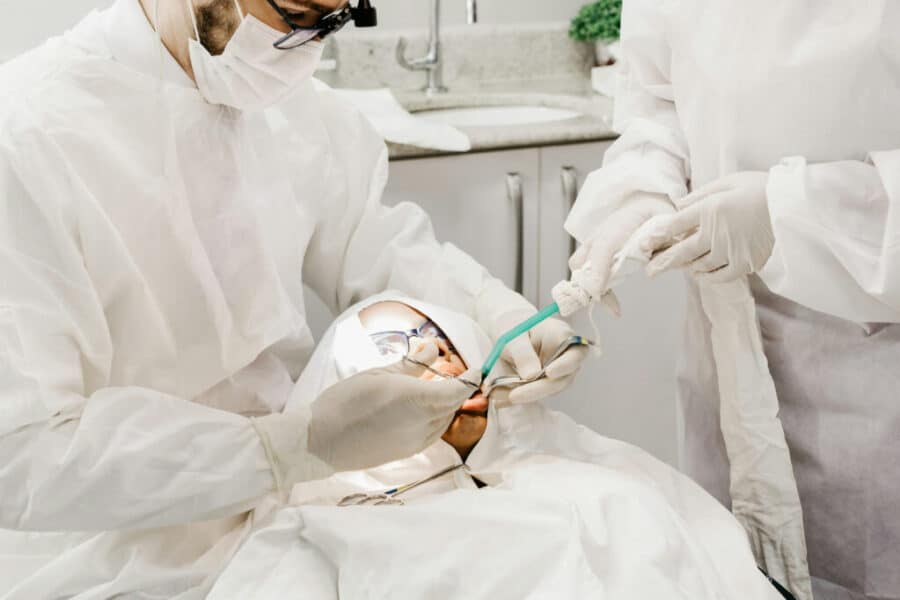
People often imagine emergency dentistry as rushed, improvised care. Good emergency care is neither. The pace may be faster, but the clinical process is still deliberate. The dentist starts by figuring out whether the source of pain is a tooth, the gums, the bite, the sinus area, or even referred pain from another structure. Not every toothache is caused by a cavity. Cracks, abscesses, clenching, failing restorations, and exposed root surfaces can all produce similar symptoms.
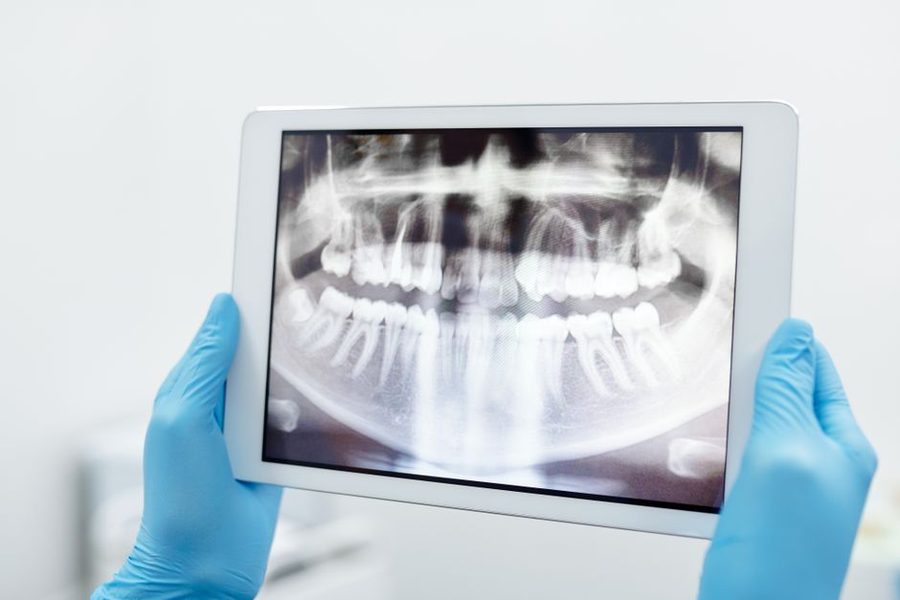
Most emergency visits begin with a focused exam and, when indicated, X-rays. Those images help answer the important questions. Is there decay into the pulp? Has an old filling fractured the remaining tooth structure? Is there an abscess at the root tip? Is the tooth restorable? Is the problem from gum infection rather than the tooth itself?
From there, treatment depends on the diagnosis. Sometimes the answer is straightforward, like smoothing a sharp fractured edge and placing a temporary protective material. Sometimes it means opening the tooth to relieve pressure, prescribing medication when infection is present, and arranging for root canal therapy or extraction. In trauma cases, the dentist may reposition and stabilize a tooth, check the bite, and document the injury carefully for follow-up.
One thing patients are often surprised by is that the first emergency visit may not finish everything. That does not mean it was incomplete care. It means the priority was to stop pain, control infection, and protect the tooth or surrounding tissue. Definitive treatment often follows once inflammation settles or once enough time is available for a longer procedure.
Relief starts before you leave home
What you do in the first hour can make a meaningful difference, especially with trauma or swelling. It can also help your dentist assess the problem more accurately when you arrive.
If you are waiting for an emergency appointment, these steps are usually sensible:
- Rinse gently with warm salt water to clear debris and soothe irritated tissue
- Use a cold compress on the outside of the face for swelling or injury
- Take over-the-counter pain medicine as directed, unless your physician has told you to avoid it
- If a tooth is knocked out, hold it by the crown, not the root, and keep it moist in milk or saliva
- Avoid chewing on the painful side, and skip very hot, very cold, or sugary foods
There are also things not to do. Do not place aspirin directly on the gums. That old home remedy can burn soft tissue. Do not ignore swelling that is getting worse. Do not keep testing a cracked tooth by chewing on it "just to see." And do not glue a crown back yourself with household adhesive. Temporary dental cement from a pharmacy can sometimes help in a pinch, but only if the area is clean and the tooth is not highly painful.
Knocked-out teeth and broken front teeth, where minutes matter
Among all dental emergencies, avulsed teeth, meaning teeth that have been completely knocked out, are the most time-sensitive. If an adult permanent tooth is replanted quickly, the odds improve. The longer it stays dry, the worse the prognosis becomes. That is why sports coaches, parents, and anyone active outdoors benefit from knowing the basics before an accident happens.
A permanent tooth that has been knocked out should be picked up by the chewing surface or visible top, never by the root. If it is dirty, it can be gently rinsed with milk or saline. Scrubbing is a mistake because the root surface contains delicate cells that matter for reattachment. In some cases, if the person is alert and the tooth is intact, it can be placed back into the socket right away. If that is not realistic, keeping it moist in milk is usually the next best step while getting to a dentist urgently.
Baby teeth are different. They generally should not be replanted because of the risk of damaging the permanent tooth developing underneath. That is one of those edge cases where well-meaning advice can backfire. If a child loses a baby tooth from trauma, the priority is still prompt evaluation, but the treatment plan will differ.
Broken front teeth often involve more than appearance. Even a small fracture can expose dentin and create strong sensitivity to air and temperature. Deeper fractures can involve the nerve. If the broken piece is found, bring it. Sometimes fragments can help guide repair, even if they cannot be reattached directly.
Toothaches that flare at night usually have a story behind them
Pain that gets worse when you lie down is common in inflamed teeth. The usual pattern is familiar: a cavity was present for months with little warning, or a tooth with an old filling had occasional sensitivity that came and went. Then one day cold starts lingering, chewing hurts, and by nighttime the ache becomes sharp, pulsing, or impossible to ignore.
That often signals inflammation inside the tooth has crossed a threshold. Early reversible irritation can settle if the cause is removed. Once the pulp is badly inflamed or infected, the body cannot calm it down on its own. That is where root canal treatment, extraction, or another definitive intervention enters the picture.
One detail worth knowing is that pain location can be deceptive. Patients are often sure a top tooth is the problem when the actual source is below, or vice versa. Nerves in the jaw and face overlap enough that referred pain is common. Biting tests, temperature tests, and radiographs help sort that out. Self-diagnosis based on where the pain seems strongest is often unreliable.
When a lost crown or filling is more serious than it looks
Crowns and fillings do not usually fall out without a reason. The cement may have failed, but decay underneath, bite stress, or fracture of the remaining tooth structure are also common causes. If a crown comes off and the tooth underneath looks intact, some people assume it can wait indefinitely. Sometimes it can wait a day or two. Sometimes it should not.
A crowned tooth may already have less natural structure than a healthy tooth. Once the crown is off, the remaining portion is more vulnerable to shifting, cracking, or becoming difficult to restore properly. If the tooth is a molar and you continue chewing on it, the risk goes up. I have seen cases where a recementable crown turned into a more expensive replacement simply because the patient waited and the tooth moved enough that the fit was lost.
Fillings are similar. A small lost filling can expose dentin and create sharp sensitivity. A large lost filling may leave a thin wall of tooth unsupported. That wall can break while eating something as ordinary as toast. Prompt repair preserves options.
Children, teens, and sports injuries
Bakersfield families with active children know that dental injuries often happen in ordinary settings, not just formal games. Backyard trampolines, scooters, pool decks, school playgrounds, and pickup basketball produce plenty of chipped incisors and lip lacerations. The challenge with younger patients is that mixed dentition, meaning a combination of baby and permanent teeth, changes how emergencies are handled.
A loose permanent tooth after trauma is more concerning than a loose baby tooth nearing its normal shedding time. Color changes after injury can also mean different things. A baby tooth that darkens may be monitored in some cases, while a permanent tooth with trauma history may need pulp testing and follow-up X-rays over time. Parents do not need to know all the dental biology in the moment, but they should know that "it looks okay now" does not always mean the tooth is out of danger.
Mouthguards help, though many kids resist them until they have had a scare. Custom mouthguards are more comfortable and protective than boil-and-bite versions, but even an over-the-counter guard is better than none in contact sports.
Anxiety is part of the emergency, and good offices know that
Dental emergencies are rarely just clinical events. They come with fear, embarrassment, disruption, and sometimes financial stress. Some patients have not seen a dentist in years and worry they will be judged. Others had a bad prior experience with numbing, extractions, or the sound of the drill. The best emergency dental teams recognize that pain management includes communication.
A calm explanation of what is happening, what can be done today, and what can wait matters more than many people realize. So does honesty. If a tooth can probably be saved, patients should hear that. If prognosis is guarded because a crack extends below the gum line, they should hear that too. Clear expectations reduce panic.
From a practical standpoint, if you are calling an office while in pain, be ready to describe the problem in concrete terms. When did it start? Is there swelling? Was there trauma? Are you having trouble sleeping or eating? Have you taken anything for pain? These details help the team judge urgency and prepare.
Cost, insurance, and the real trade-offs
Emergency dental treatment can range from relatively modest to unexpectedly expensive. An exam and X-rays are one thing. A same-day root canal on a molar followed by a crown is another. Extractions, temporary builds, drainage of infection, and trauma stabilization each have different cost profiles, and insurance coverage varies widely.
The difficult truth is that the cheapest short-term option is not always the best long-term one. Extraction may cost less upfront than saving a tooth with root canal therapy and a crown, but replacing a missing tooth later with a bridge or implant can become far more costly. On the other hand, not every tooth should be saved at all costs. A deeply cracked tooth, a tooth with severe bone loss, or a tooth with very poor remaining structure may have a poor prognosis even after heroic treatment.
That judgment call is where experience matters. A good emergency dentist will not sell certainty where there is none. They will explain what is predictable, what is possible, and what is risky. Patients deserve that level of candor, especially when making a decision under stress.
How to choose an Emergency Dentist Bakersfield CA when time is short
When you are in pain, you do not have hours to research. Still, a few markers help you separate true urgent-care readiness from general marketing language.
Look for an office that clearly mentions same-day or emergency appointments, not just "accepting new patients." Pay attention to whether they describe handling infections, broken teeth, lost restorations, and trauma, because those are the bread-and-butter emergencies. Extended hours can help, but responsiveness matters just as much. An office that answers the phone, asks the right triage questions, and gives practical next steps is already showing you something important about its systems.
It also helps if the practice can provide a broad range of treatment in-house, because emergencies often do not fit neatly into one box. A painful cracked tooth may need diagnosis, endodontic treatment, a buildup, and crown planning. A trauma case may require emergency stabilization and coordinated follow-up. The more the team can do without sending you all over town, the smoother the experience tends to be.
That said, no single office does everything. Some complex cases still need referral, especially oral surgery, advanced endodontics, or severe facial trauma. Referral is not a weakness when it is done promptly and appropriately. It is good judgment.
Why waiting so often makes things worse
People postpone emergency dental care for understandable reasons. They are hoping the pain fades. They are busy. They are nervous. They are worried about cost. But teeth do not heal the way a skinned knee heals. Once infection reaches the pulp, or once a crack propagates through the tooth, time rarely improves the situation.
What waiting usually changes is the scale of treatment. A reversible issue becomes irreversible. A simple filling becomes a crown. A crownable tooth becomes an extraction. A localized infection becomes facial swelling. Even if the pain suddenly decreases, that is not always a good sign. In some infected teeth, pain drops after the nerve dies, while infection continues around the root.
That is one of the more misleading patterns in dentistry. People think, "It stopped hurting, so maybe it fixed itself." It usually did not.
The smartest next move when pain strikes
If you are facing severe dental pain, swelling, trauma, or a sudden break, the goal is not just relief by tonight. It is preserving your options for next month and next year. Quick action gives the dentist a better chance to save the tooth, control infection early, and keep the problem smaller, simpler, and less expensive.
Searching for an Emergency Dentist Bakersfield CA is really a search for judgment under pressure. https://kylerrutn846.fotosdefrases.com/emergency-dentist-bakersfield-ca-for-lost-fillings-and-crowns You want a team that can sort urgent from dangerous, move decisively, and tell you the truth about what they see. That combination is what turns a miserable day into a manageable one.
Tooth pain has a way of making everything else feel secondary. The good news is that many dental emergencies are highly treatable when addressed promptly. The sooner the right hands evaluate the problem, the sooner you can stop guessing, stop hurting, and start getting better.
Smyle Dental Bakersfield
2016 E St, Bakersfield, CA 93301, United States
+16614939040
FAQ About Emergency Dentist Bakersfield CA
What counts as a dental emergency?
Severe tooth pain, facial swelling, uncontrolled bleeding, a knocked-out or displaced tooth, and significant dental trauma may need prompt assessment. Trouble breathing or rapidly increasing swelling requires urgent medical help.
What should I do if a permanent tooth is knocked out?
Handle the tooth by the crown rather than the root, keep it moist, and contact a dentist immediately. Fast treatment can improve the chance of saving the tooth.
Can an emergency dentist treat severe tooth pain the same day?
Same-day care may be available depending on the cause and schedule. The dentist will examine the area, may take digital X-rays, and recommend treatment based on the diagnosis.
Should I go to the emergency room for dental swelling?
Seek urgent medical care for trouble breathing, difficulty swallowing, rapidly spreading facial swelling, or other severe symptoms. A dentist can assess the underlying dental cause and provide appropriate follow-up care.