Dental Emergency Plano TX Tips for Parents
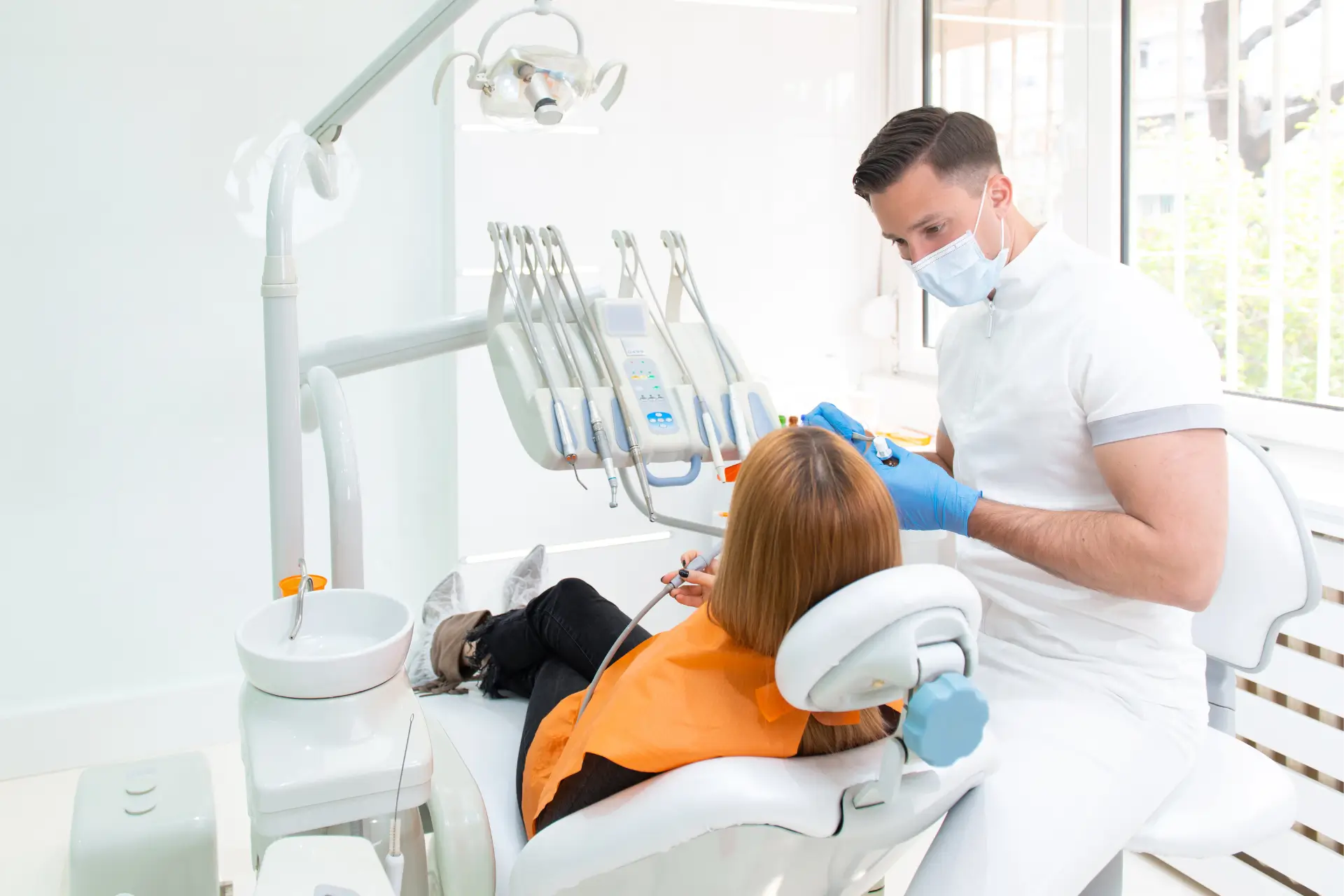
A child can go from laughing on the playground to clutching their mouth in tears in a matter of seconds. Parents usually do not get much warning. A chipped front tooth, a swollen gum, a face-first fall at soccer practice, or a toothache that wakes a child at 2 a.m. Can turn an ordinary day into a scramble for help.
When families search for a Dental Emergency Plano TX provider, they are usually doing it under pressure. That pressure matters. It affects judgment, timing, and the small decisions that can make a dental injury easier to treat or much more complicated. The good news is that most parents do not need advanced dental training to respond well in those first minutes. They need a calm plan, a basic sense of what is urgent, and enough confidence to protect the injured area until a dentist can take over.
Children also present a different set of challenges than adults. They may not describe pain accurately. They may panic when they see blood, even if the injury is minor. A toddler can refuse ice. A school-aged child may insist they are fine because they do not want to miss a birthday party. Teenagers sometimes hide an injury until swelling or discoloration sets in. Good emergency care for kids starts with reading both the injury and the child.
The first ten minutes matter more than most parents think
In dental injuries, time does not always mean racing with sirens and chaos. Often it means doing the right quiet things quickly. Rinsing the mouth, finding a broken tooth fragment, applying pressure to bleeding tissue, keeping a permanent tooth moist if it has been knocked out, and avoiding food or drinks that trigger pain can all improve the outcome.
The first decision is simple but important: is this a dental emergency, or is it a medical emergency with dental damage as part of the bigger picture? If a child has lost consciousness, is vomiting after a fall, cannot be awakened normally, has trouble breathing, has heavy uncontrolled bleeding, or may have a jaw fracture or head injury, medical care comes first. Call 911 or go to the emergency room. Teeth can wait when the airway, brain, or major facial trauma is involved.
When the injury is limited to the mouth, parents should still move promptly. A true dental emergency often includes severe pain, a tooth that has been knocked out or pushed out of position, swelling that is spreading, visible infection, deep cuts inside the mouth, or trauma that affects biting. Those are the moments when contacting a Dental Emergency Plano TX office right away can protect both comfort and long-term oral health.
What usually counts as urgent for children
Parents often hesitate because they do not want to overreact. That hesitation is understandable, but certain signs deserve same-day attention.
A permanent tooth that has been knocked out is one of the clearest time-sensitive emergencies in dentistry. The chance of saving the tooth improves when action happens quickly. A permanent tooth that is loose, shifted, or pushed deeper into the gum is also urgent, even if the child is not complaining much. Children are surprisingly good at underreporting pain when they are scared.
A toothache can be deceptive. Some toothaches build over days because of a cavity or infection. Others appear suddenly after trauma or because food is trapped around a baby tooth that is already wiggly. Pain with swelling, fever, a bad taste in the mouth, or facial puffiness should not be brushed off. Infection in the mouth can spread, and children do not have much reserve when swelling begins to interfere with eating, drinking, or sleeping.
Cuts to the lip, tongue, or gums can bleed dramatically because oral tissues are so vascular. Bleeding looks worse than it is in many cases, but a cut that will not stop bleeding after direct pressure, or a cut that gapes open, needs prompt evaluation. Sometimes a lip laceration is not just a cut. It is the clue that a tooth has gone through the lip or fractured beneath the gumline.
Baby tooth or permanent tooth, the response is not always the same
One of the biggest mistakes parents make is assuming all knocked-out teeth should be handled the same way. They should not.
If a permanent tooth comes out completely, quick action can sometimes save it. The key is to pick it up by the crown, the part that normally shows in the mouth, and avoid touching or scrubbing the root. If it is dirty, a brief gentle rinse with clean water is reasonable. It should not be wrapped in tissue, left to dry on a counter, or stored loose in a pocket. In some situations, an older cooperative child can place the tooth back into the socket if instructed by a dentist, but many parents are understandably not comfortable doing that. The safer default is to keep the tooth moist and get to a dentist immediately.
If a baby tooth comes out completely from trauma, parents should not try to reinsert it. That can damage the developing permanent tooth underneath. The goal instead is to control bleeding, comfort the child, and have a dentist assess the area. Losing a baby tooth too early may still affect spacing, speech, and later eruption, but the emergency handling is different.
This distinction causes a lot of confusion in real life, especially with six- and seven-year-olds, when both baby and permanent teeth may be present. If a parent is not sure what kind of tooth it is, that uncertainty alone is a good reason to call an emergency dentist promptly and describe the child’s age and which tooth was involved.
How to handle the most common situations at home before you leave
Parents do best when they have a short mental script. That script does not need to be elaborate. It only needs to buy time safely and reduce avoidable damage.
- Stay calm and have the child sit upright. Panic spreads fast, and children mirror adult reactions.
- Rinse the mouth gently with water and use clean gauze or a washcloth to apply pressure if there is bleeding.
- Use a cold compress on the outside of the face for swelling, ten minutes on and ten minutes off as tolerated.
- Save any tooth fragment or knocked-out permanent tooth, keeping it moist in milk or saline if available.
- Call a dental office immediately and describe the child’s age, the injury, the pain level, and whether the tooth is baby or permanent if known.
That short sequence covers a large percentage of pediatric dental emergencies. It is not fancy, but it is effective.
One practical point many parents appreciate once they are in the middle of an emergency: have one adult focus on the child and another gather details if possible. Looking for the missing tooth, calling the office, checking insurance, and grabbing a clean towel is hard to do while comforting a crying child. If you are alone, deal with the child first. Administrative details can follow.
A knocked-out permanent tooth is the exception that deserves speed
Among all dental injuries, an avulsed permanent tooth, meaning a tooth completely knocked out, is the one most parents remember because the image is so dramatic. It is also the one where timing can have a major effect on whether the tooth can be saved.
The root surface contains delicate cells that do not tolerate drying well. That is why a tooth should not sit exposed to air while everyone searches for car keys. If the tooth is intact and you can identify it as permanent, keeping it moist is essential. Cold milk is often recommended because it is accessible and less harmful to root cells than plain dry storage. Saline is also acceptable. Water is better than letting the tooth dry out, but it is not ideal for prolonged storage.
If the child is old enough to cooperate and a dental professional directs you to do so, immediate reinsertion may be possible. Many families, however, are too distressed to attempt that, and some children are too frightened or too young. The priority then becomes fast transport to care. When parents call a Dental Emergency Plano TX office and say a permanent tooth was knocked out, they should expect to be seen urgently or directed to the fastest appropriate option.
Cracked, chipped, and displaced teeth can look minor but still hide trouble
A small chip on the edge of a front tooth may be mostly cosmetic, but not always. If the chip exposes the inner dentin or reaches the pulp, the tooth can become sensitive, painful, or vulnerable to infection. Children may describe this as a sharp edge, pain when breathing in through the mouth, or pain with cold drinks. Save the fragment if you can find it. Sometimes it helps with repair.
A tooth that looks longer than usual, shorter than usual, twisted, or pushed backward after impact deserves urgent care even if there is no dramatic bleeding. These displacement injuries can affect the nerve, the root, and the surrounding bone. One of the more frustrating pediatric cases is the child who bumps a tooth, says it feels weird but not terrible, and then develops dark discoloration weeks later because the original injury was more severe than it appeared.
Biting should be checked gently, not forcefully. Ask the child if their teeth come together the way they usually do. If they say their bite feels off, take that seriously. A jaw injury, luxated tooth, or hidden fracture may be involved.
Toothaches, swelling, and the infections that should not wait
Parents often think trauma is the main cause of emergencies, but infection is just as common. A child may have had an untreated cavity for months and then suddenly develop throbbing pain, gum swelling, or cheek swelling overnight. That change can happen fast.
A localized pimple-like bump on the gum can signal drainage from an abscess. Sometimes the child even says it feels better once it starts draining. That is not a sign the problem is gone. It means the infection found a path. The tooth still needs treatment.
Facial swelling deserves special respect in children. A little puffiness near a sore tooth is different from rapid swelling that changes the contour of the cheek, closes the eye area, or makes it painful to open the mouth. Fever, lethargy, trouble swallowing, and refusal to drink raise the stakes. Those signs suggest the child needs prompt professional evaluation, and sometimes medical support as well.
For pain control at home, parents should follow their pediatrician’s or dentist’s guidance on age-appropriate https://maps.app.goo.gl/QUzXgGCYZRKd3nt59 over-the-counter medication. It is best not to place aspirin directly on the gum or tooth. That old home remedy can burn soft tissue and makes a bad day worse.
Soft tissue injuries bleed a lot, but many respond well to pressure
A split lip can produce enough blood to make a parent think something catastrophic has happened. In many cases, steady pressure with clean gauze for ten to fifteen minutes does a lot. The problem is that parents often check too early, interrupting clot formation every minute or two because they are anxious. Hold pressure longer than feels natural.
Tongue injuries are another challenge. Children resist having pressure applied, and they move the tongue constantly. Ice chips can help older children if they can safely tolerate them. A large tongue laceration, a deep cut through the border of the lip, or a wound contaminated with debris should be examined quickly. Also watch for tooth fragments. A broken edge can continue slicing the tongue or lip every time the child swallows or speaks.
One subtle but important issue in sports injuries is embedded debris. Playground mulch, gravel, sand, and dirt can get pushed into lips and gums. Even if the cut appears superficial, debris should be cleaned out properly. Otherwise tattooing of the tissue or infection can follow.
What not to do in a dental emergency
Sometimes the best advice is about avoiding common mistakes. Well-meaning parents can accidentally make a manageable injury harder to treat.
- Do not scrub a knocked-out permanent tooth or handle it by the root.
- Do not reinsert a knocked-out baby tooth.
- Do not apply aspirin directly to the gums or tooth.
- Do not wait several days on swelling, severe pain, or a permanent tooth that has moved.
- Do not assume no tears means no serious injury.
That last point is worth emphasizing. Some children go quiet when they are overwhelmed. A stoic teenager with a sports injury may actually need more urgent attention than a screaming toddler with a small lip bite.
Why Plano parents should think ahead before they need help
Families often search for Dental Emergency Plano TX only when they are already in the car or standing under bright bathroom lights with a bloody washcloth. A little preparation changes that experience. Knowing which dental office you would call, whether they see children, and what their after-hours process looks like can save precious time.
Plano families tend to juggle school schedules, extracurriculars, and sports, and many injuries happen outside standard office hours. Soccer fields, basketball courts, neighborhood pools, and backyard trampolines generate a steady stream of mouth injuries. It helps to know whether your child’s regular dentist offers same-day emergency slots or whether you should identify a backup practice nearby.
A small home dental emergency kit is practical, not excessive. Gauze, a small clean container with a lid, saline, a cold pack, and your dentist’s number are enough. If your child plays contact sports, include a mouthguard case and keep in mind that a damaged mouthguard should be replaced, not taped together and reused indefinitely.
The school nurse, the coach, and the babysitter also need a plan
Parents are not always present when accidents happen. Some of the smoothest emergency responses occur when schools, camps, and coaches know exactly what to do. If your child has orthodontic appliances, a history of dental trauma, or special healthcare needs, communicate that to caregivers. A child with braces who takes a hit to the mouth can end up with lips caught on brackets or a wire poking into tissue, which creates a different kind of urgent problem than a simple chip.
For babysitters and grandparents, keep instructions simple. They do not need a lecture. They need your dentist’s contact information, your child’s date of birth, medication allergies, and permission to seek treatment if they cannot reach you. Under stress, people perform better with a short script than a thick folder.
Orthodontic emergencies are a category of their own
Not every urgent dental problem involves a broken tooth. For many Plano families, braces are part of life, and they create their own after-hours calls. A loose bracket is usually inconvenient rather than dangerous, but a wire that is poking the cheek or gum can become miserable fast. Orthodontic wax often solves the problem temporarily. If a wire has shifted, it should not be clipped at home unless a dental professional has specifically advised it and the caregiver can do it safely.
If trauma occurs to a child wearing braces, do not assume it is only an orthodontic issue. Teeth can loosen or roots can be injured beneath the hardware. A child may need both an emergency dental exam and follow-up with the orthodontist.
Judging pain in children takes more than asking, “How bad is it?”
Pediatric pain assessment is not straightforward. Younger children may call any unpleasant sensation “owie,” while older children minimize pain because they fear treatment. Parents should watch behavior as much as words. Refusing cold water, chewing only on one side, waking at night, drooling, clinging, irritability, or withdrawing from normal play can all signal significant discomfort.
I have seen parents feel guilty for not recognizing an emergency sooner, especially with slow-building infections. That guilt is rarely useful. Dental pain can masquerade as ear pain, sinus discomfort, teething, or even a vague complaint at dinner. What matters is how quickly a parent acts once the pattern becomes clear.
Prevention deserves a place in every emergency conversation
Emergency tips are most useful when they prevent the next emergency as well. Mouthguards for contact sports matter. So does replacing them as children grow. Bike helmets reduce facial trauma, not only head injury. Routine dental visits catch cavities before they turn into abscesses, and they identify bite issues or protruding front teeth that may be more vulnerable during falls.
Home habits matter too. Many broken teeth happen outside organized sports. Kids trip on stairs while carrying toys, jump on furniture, run with objects in their mouths, or bite hard non-food items out of boredom. Parents cannot eliminate all risk, but they can reduce the predictable hazards.
One more preventive point is worth noting for families new to the area: make sure your child has an established dental home before there is a crisis. Offices are often better able to coordinate urgent care when they already know the child’s history, previous X-rays, medical conditions, and behavior needs. Even when you need a separate Dental Emergency Plano TX provider after hours, having baseline records somewhere is useful.
When the injury seems small, but your instinct says otherwise
Parents develop instincts for a reason. If a tooth looks “not quite right,” a child’s smile suddenly appears uneven, or pain is escalating rather than settling, get it checked. Dental injuries can evolve over hours or days. A tooth that looked stable right after a fall may loosen later. A nerve may die gradually. Color changes, gum swelling, or new sensitivity a week after trauma should be treated as follow-up concerns, not shrugged off as old news.
Children usually recover quickly when emergencies are handled promptly and thoughtfully. The aim is not perfection in the moment. It is protecting options, reducing pain, and getting skilled eyes on the problem without unnecessary delay. For parents, that often comes down to staying calm, avoiding the common mistakes, and knowing when a search for Dental Emergency Plano TX is not overreacting at all, but exactly the right call.
Vitality Dental
Address: 1220 Coit Rd #106, Plano, TX 75075
Phone number: +19726454100
FAQ About Dental Emergency Plano TX
What can the ER do for a tooth?
An emergency room (ER) can manage pain and treat severe infections with medication, but it cannot fix or pull a tooth.
What is considered a dental emergency?
A dental emergency is any oral health problem that involves severe pain, uncontrollable bleeding, or an infection that threatens your health or requires immediate care to save a tooth.
Is there a 24-hour dental service in Plano, TX?
There is no physical dental clinic in Plano, Texas, that stays open with walk-in staff 24 hours a day, but several offices offer 24/7 phone support, late-night hours, or same-day emergency care.