Dental Emergenc Guidance for Plano TX Travelers and Visitors
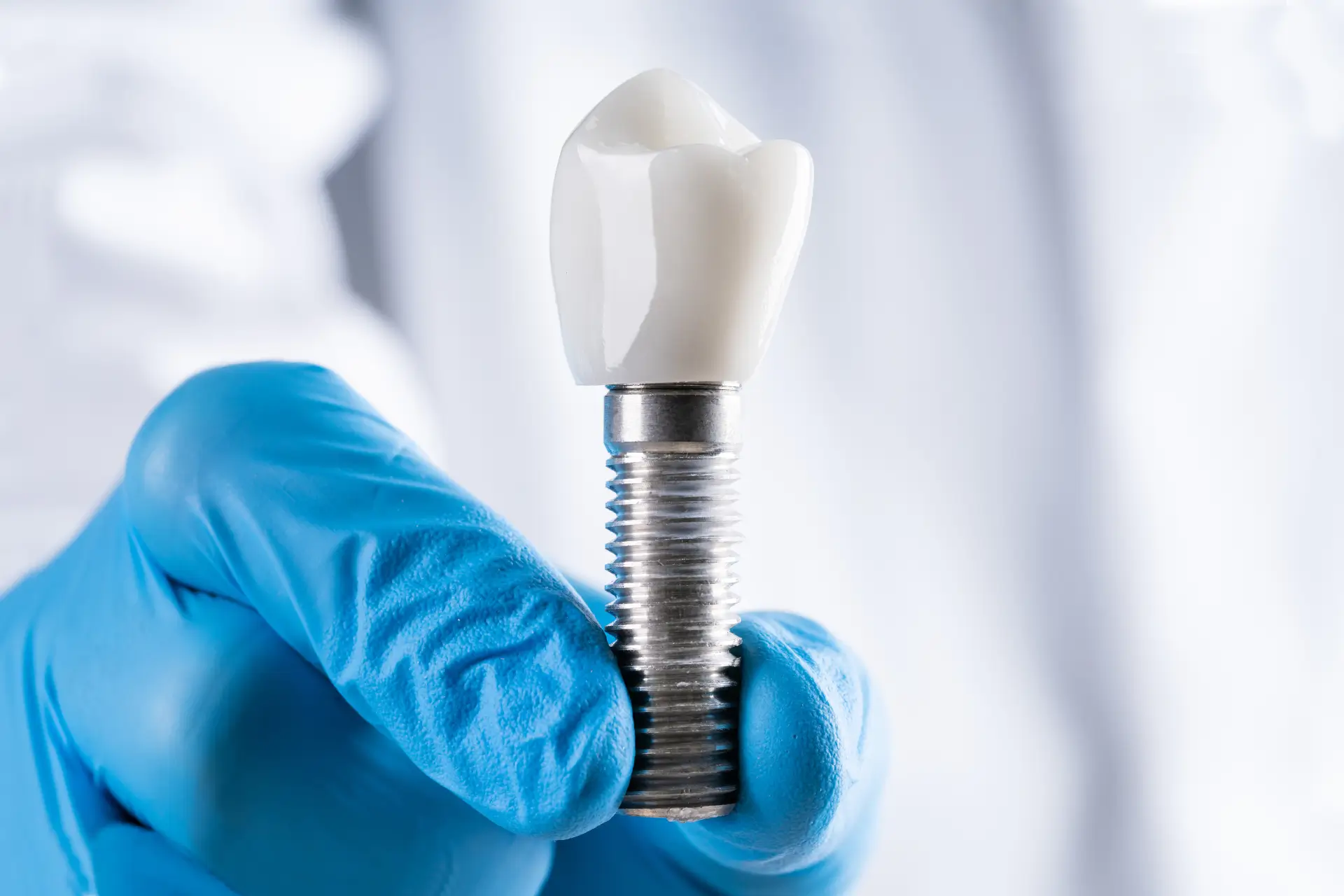
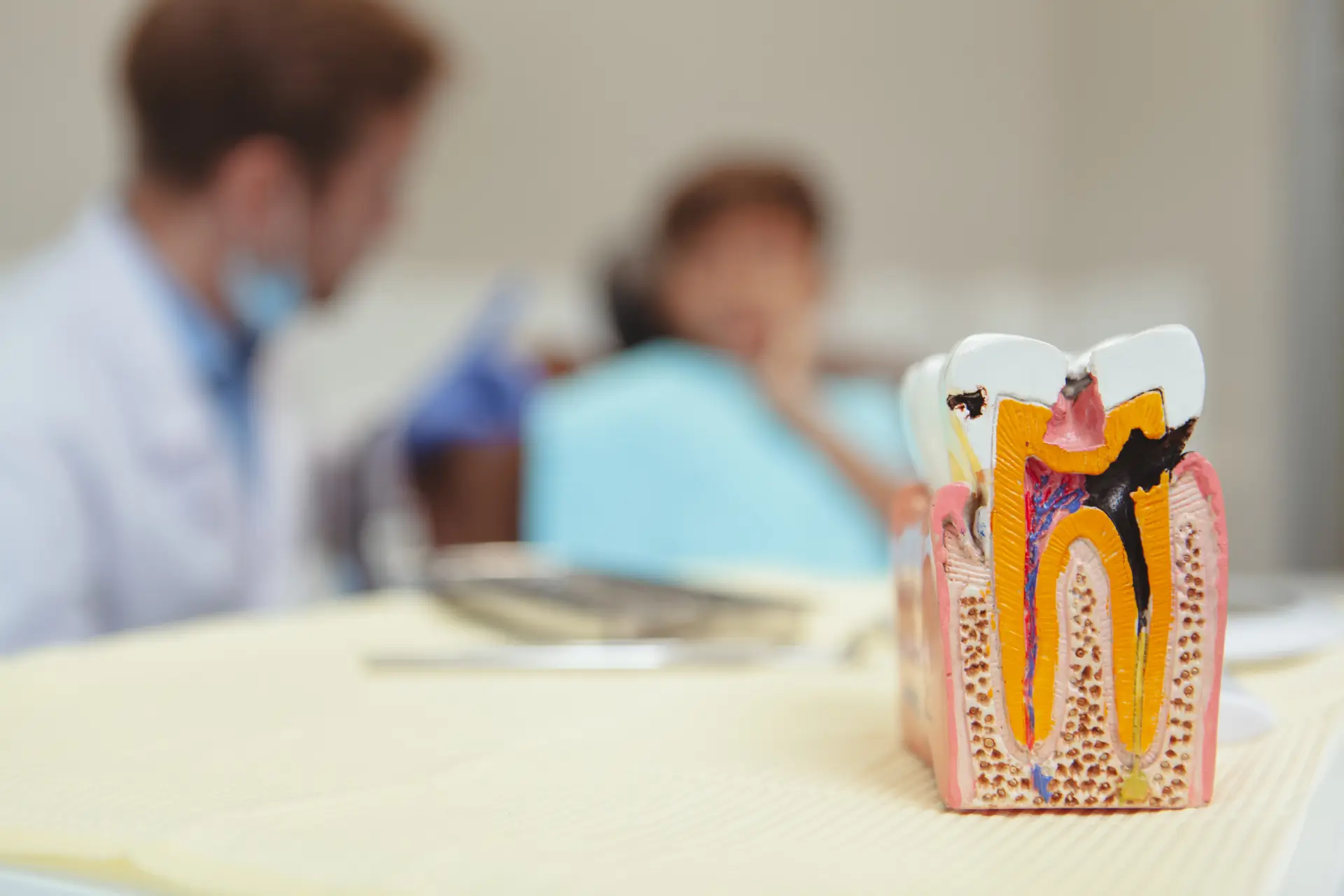
A dental problem can derail a trip faster than almost anything else. One minute you are heading to a meeting at Legacy West, settling into a hotel near U.S. 75, or taking the family out for dinner at The Shops at Willow Bend. The next, you are dealing with a cracked molar, swelling along the jaw, or a child crying over a tooth knocked loose on the playground. When you are away from home, even a manageable problem feels bigger because you do not know the area, your regular dentist is hundreds of miles away, and pain tends to make every decision harder.
That is why practical, local guidance matters. Travelers and visitors in Plano often ask the same questions when a dental issue hits: Is this urgent enough to be seen today? Can I wait until I get home? What can I do in the meantime? How do I keep the problem from getting worse overnight? Those are not small questions. Good judgment in the first hour can sometimes mean the difference between saving a tooth and losing it, or between a straightforward visit and a much more complicated repair.
Plano is large, busy, and spread out in a way that can be unfamiliar if you are only in town for a few days. Distances that look short on a map can stretch during rush hour, especially along major corridors. If you are staying near corporate offices, shopping districts, sports venues, or family neighborhoods, having a calm plan matters more than having perfect local knowledge. The goal is simple: control pain, protect the tooth or surrounding tissue, and get the right level of care without wasting precious time.
What counts as a true dental emergency when you are away from home
Not every dental problem is an emergency, but some clearly are. The challenge is that pain does not always match severity. I have seen a tiny crack cause significant misery, while a serious infection produced only dull discomfort until swelling suddenly appeared. For travelers, the safest approach is to focus on function, bleeding, swelling, trauma, and signs of infection.
A knocked out permanent tooth is urgent. So is heavy bleeding that does not slow with pressure, significant facial swelling, a rapidly worsening toothache that keeps you from sleeping, difficulty opening the mouth, and any dental problem accompanied by fever or trouble swallowing. A broken crown or chipped tooth may not sound dramatic, yet it can become urgent if there is severe pain, sharp edges cutting the tongue, or exposed inner tooth structure.
Children need special attention. A toddler who bumps a baby tooth may not need the same treatment as an adult who loses a permanent front tooth, but facial injury, persistent bleeding, or visible displacement still deserves prompt evaluation. Visitors sometimes assume they should simply “watch it” because they do not want to interrupt plans. That is understandable, but when swelling starts to spread or pain escalates quickly, waiting tends to make the next step more difficult.
If you are searching online for a “Dental Emergency Plano TX” provider, what you really need is same day judgment. That means a dental team able to tell you, based on symptoms and timing, whether you need immediate dental care, urgent medical care, or temporary at home measures until an appointment opens.
The first hour matters more than most people realize
When something happens suddenly, people often lose time trying to decide whether to call a friend, head to urgent care, or take another dose of pain medicine and hope for the best. In dentistry, the first hour after injury or acute pain often sets the trajectory.
If a tooth has been knocked out, time is critical. A permanent tooth has its best chance when handled properly and assessed quickly. Hold it by the crown, not the root. If it is dirty, rinse it gently with clean water for a few seconds. Do not scrub it. If you can place it back into the socket safely, that is often ideal, but many travelers are too shaken to do that. In that case, keep it moist in milk or saliva and get to a dentist immediately. Wrapping it in a dry tissue is one of the most common mistakes, and it can reduce the chance of saving the tooth.
With a broken tooth, the goal is different. You want to limit further damage, protect the soft tissues, and control temperature sensitivity. Warm water rinses help clear debris. If a jagged edge is slicing the cheek or tongue, dental wax from a pharmacy can be surprisingly useful. If the fracture involves visible pink or red tissue, or pain is intense, it needs prompt care.
For swelling, the first question is whether it is staying local or spreading. A small gum bump near a painful tooth may point to infection, but facial swelling near the cheek, under the jaw, or around the eye changes the urgency. Rapid spread, fever, foul taste from drainage, or feeling generally unwell are signs not to minimize.
A simple triage guide for visitors in Plano
When you are unfamiliar with local providers, it helps to sort the problem before you start calling.
- Go directly to an emergency room if there is trouble breathing, trouble swallowing, major facial trauma, uncontrolled bleeding, or swelling that seems to spread quickly.
- Call an emergency dentist the same day for a knocked out permanent tooth, severe tooth pain, a broken tooth with exposed nerve or bleeding, a lost crown with strong pain, or a dental abscess with swelling.
- Seek prompt but not necessarily immediate dental care for a chipped tooth without severe pain, a lost filling, a mild gum infection, or a loose crown that can be temporarily stabilized.
- Use temporary measures and schedule follow-up if the issue is minor and stable, such as light irritation from braces, mild sensitivity, or a small chip that is not painful.
- If you are unsure, describe the symptoms clearly by phone, including when it started, whether swelling is present, your pain level, and any trauma involved.
That short triage framework helps cut through panic. It also gives you language to use when calling a local office. Dental teams can make faster decisions when they hear specifics rather than “my tooth hurts really bad.”
Problems travelers commonly run into in Plano
Business travel brings one pattern of emergencies. Leisure travel brings another. Corporate visitors often arrive already stressed, then grind their teeth at night in a hotel bed or crack a filling during a rushed meal between meetings. Parents visiting family tend to see accidents on hard pool decks, sports fields, sidewalks, and play areas. People driving in from other Texas cities sometimes wait too long because they assume they can “tough it out” until they get back on the road.
One of the most common scenarios is the delayed pain tooth. Someone had a deep cavity or large filling that was manageable at home, then cabin pressure changes, dehydration, poor sleep, and irregular meals push the nerve over the edge. By late evening, the pain becomes throbbing and constant. It is not that Plano caused the problem. Travel simply exposed a condition that was already unstable.
Another frequent issue is lost dental work. Crowns and fillings have a habit of coming loose during steak dinners, crusty bread, sticky candy, or even flossing in a hotel bathroom. If the area is not painful, many people can get through a day or two with temporary dental cement from a pharmacy. If the tooth underneath is sharp, cold sensitive, or previously root canal treated but fractured, the timeline becomes much tighter.
Sports and recreational injuries are especially common on weekends. A teenager catches an elbow during basketball. A younger child slips near a splash area. An adult bites down unexpectedly on ice or a hard olive pit in a restaurant drink. These are ordinary moments that quickly become dental emergencies.
What to do before you get to the dentist
Temporary care is not the same as treatment, but sensible steps can lower pain and prevent extra damage. Rinse gently with warm salt water if the tissues are irritated. Use a cold compress outside the face for swelling or trauma, usually in short intervals. Take over the counter pain medicine only as directed on the label and only if it is appropriate for you medically. If you have kidney disease, stomach ulcers, blood thinner use, or pregnancy, that may change what is safe, so use judgment and ask a pharmacist or physician if needed.
Do not place aspirin directly on the gum. People still do this, and it can burn the tissue. Do not keep poking a painful tooth to “check” it. Do not ignore bad swelling just because the pain eased after drainage, since the infection may still be active. And do not assume antibiotics alone will solve a dental abscess. They can be part of care in some cases, but the source of infection usually still needs direct dental treatment.
If a crown has come off and it fits cleanly back over the tooth, temporary dental cement from a pharmacy can sometimes hold it until you are seen. Household glue is never appropriate. If braces wires are irritating the cheek, orthodontic wax helps, and a clean pencil eraser can sometimes guide a loose wire away from tissue temporarily. That may be enough to get through a night, but not enough to skip follow-up.
Finding the right kind of help in Plano
Visitors are sometimes surprised to learn that urgent care clinics and emergency rooms are not substitutes for dentists in most tooth related cases. A hospital can absolutely be the correct choice for severe swelling, trauma, uncontrolled bleeding, or airway concerns. But for a fractured cusp, lost filling, acute decay pain, or a dislodged crown, you usually need a dentist with emergency scheduling, radiographs, and restorative capability.
When calling a Plano dental office, focus on details that affect urgency. Mention whether the issue followed an injury, whether a tooth is loose or out, whether swelling is visible from outside the mouth, and whether you can eat, sleep, and swallow normally. Tell them if you are visiting from out of town and when you need to travel back. Offices are often better able to prioritize visitors when they understand the timing constraints.
Location matters too. Plano traffic patterns can complicate an already stressful day. If you are in West Plano near business and retail centers, crossing town during peak traffic may add more strain than necessary. If you are staying near the eastern side or close to Richardson, Murphy, Allen, or Frisco routes, ask the office for realistic travel estimates and parking instructions. It sounds minor, but when someone is in pain, even five avoidable minutes wandering around an unfamiliar medical building can feel endless.
Costs, insurance, and the awkward reality of being out of network
Many travelers worry about cost before they worry about care, especially if they are out of network or between jobs. That concern is real, and it is better addressed directly than ignored. Emergency dental visits typically involve an exam and often radiographs, then a decision about the immediate treatment needed. Costs vary based on whether the fix is palliative, such as smoothing a broken edge or prescribing supportive treatment, or more involved, such as an extraction, root canal access, crown recementation, or trauma stabilization.
If you have dental insurance, ask the office whether they can estimate benefits with your carrier, even if they are not in network. If you do not have coverage, ask for the fee for the emergency exam and the likely range for common next steps. Many offices can give a useful estimate once they hear the problem. It may not be exact, but a reasonable range helps you make decisions without added panic.
For business travelers, there is another wrinkle. Some people try to delay treatment until they return home because they assume reimbursement will be impossible. Often that is shortsighted. A timely temporary procedure in Plano can prevent a much larger bill later. For example, stabilizing a crack early may help avoid a split tooth that ends in extraction. Draining an abscess or opening a painful tooth can sometimes get a traveler safely through the trip rather than forcing a canceled flight or an after hours hospital visit.
If you are flying soon, timing matters
Travel plans can influence what a dentist recommends. If you are scheduled to fly in the next 24 to 48 hours, pressure changes can make certain toothaches more noticeable, especially those involving inflamed pulp tissue or trapped gas under restorations. It does not happen to everyone, but it happens often enough that dentists take it seriously when a visitor says, “I have a flight tomorrow morning.”
Fresh extractions, active bleeding, facial swelling, and severe untreated pain are all reasons to be cautious about immediate travel. That does not always mean you cannot fly, but it may affect whether the office aims for definitive treatment right away or chooses a stabilizing approach that gets you safer and more comfortable. A traveler with a badly infected molar, for example, may need intervention before boarding rather than simply stronger pain medication.
Long drives present their own problems. People headed back to Houston, Austin, Oklahoma, or beyond sometimes underestimate how miserable several hours on the road can be with a tooth that throbs every time cold air hits it. If the pain has already escalated, taking care of it locally often makes more sense than trying to endure the trip.
Families visiting Plano need a different kind of plan
Parents and grandparents are usually juggling more than one schedule. There may be a sports event, birthday dinner, shopping trip, hotel checkout, and children who are already overtired. That is exactly when accidents happen. A front tooth chips on a curb. A lip gets cut after a fall. A child bites down after local numbness from an earlier dental visit and causes a dramatic looking cheek injury that frightens everyone.
The practical question is whether the injury involves baby teeth or permanent teeth. A knocked out baby tooth is generally not replanted because of the risk to the developing permanent tooth underneath. A knocked out permanent tooth is different and time sensitive. If you do not know which it is, age helps but does not fully answer it. Many children have mixed dentition. A local dentist can guide you quickly if you send a photo and explain the age and timing.
Soft tissue injuries inside the mouth can bleed more than people expect. The mouth has a rich blood supply, so even a relatively small cut can look alarming. Clean gauze with direct pressure often helps. If the bleeding does https://cashmzim555.talesignal.com/posts/dental-emergency-plano-tx-and-the-importance-of-quick-diagnosis not slow, or if the wound is large, deep, or associated with a possible jaw injury, that crosses out of routine dental care and may require urgent medical evaluation.
What seasoned travelers should keep with them
Most people do not think about dental first aid until they need it. Still, frequent travelers can avoid a lot of misery by carrying a few small items in a toiletry bag or backpack.
A useful mini kit includes gauze, a small container with a lid, temporary dental cement, orthodontic wax, ibuprofen or acetaminophen if those are safe for you, and your dentist’s contact information back home. If you wear a night guard or retainer, bring it. If you have a history of crowns coming loose, pack the temporary cement before the trip rather than hoping a nearby pharmacy stocks it. If a child in the family plays sports, a properly fitting mouthguard is more valuable than most people appreciate until the day it prevents a fracture.
The point is not to turn every trip into a medical exercise. It is simply to avoid being unprepared in a city you do not know well.
How local conditions and timing can complicate care
Plano has plenty of dental options, but timing still matters. Late Friday afternoon, holiday weekends, and major event weekends can narrow availability. The best emergency care is often not just the nearest office, but the office prepared to see an out of town patient promptly, evaluate thoroughly, and communicate clearly about what must be done now versus what can wait for the home dentist.
That communication piece matters more than many patients realize. Good emergency dental care for travelers often includes written notes, radiographs that can be forwarded, and a clear handoff plan so your regular dentist knows exactly what was found and what was done. If you are only in Plano briefly, ask for that documentation. It can spare you repeated X rays, duplicated explanations, and confusion after you get home.
There is also a judgment call in temporary versus definitive treatment. Sometimes the best move for a visitor is a focused intervention that stops pain and stabilizes the tooth, then follow-up with their regular dentist for the larger restoration. Other times, delaying definitive care is a mistake, particularly with fractures that are likely to propagate, infections that are already spreading, or trauma that needs splinting. The right answer depends on the tooth, the timing, the symptoms, and the travel window.
When not to wait until you get home
People often ask whether they can just take antibiotics or pain relievers and deal with the tooth once they return home. Sometimes that is reasonable for a minor issue. Often it is not. There are several situations where waiting is more likely to create trouble than save it.
Persistent throbbing pain that keeps you awake usually means the condition is not stable. Swelling, especially if visible outside the mouth, points to a problem that can worsen unpredictably. A tooth cracked vertically or reduced to a sharp shell around a filling is unlikely to improve with time. A knocked out or displaced permanent tooth has a limited window where action matters most. And any sign that the bite has changed suddenly after trauma deserves timely assessment, because jaw injuries are easy to underestimate in the adrenaline of the moment.
I have seen travelers try to finish a conference, attend a wedding, or make a long drive home with problems that needed same day dental care. Usually they regret the delay. Pain rarely stays level. It tends to intensify at night, during travel, or when treatment is least convenient.
A calm, practical approach works best
The reassuring truth is that many dental emergencies can be stabilized successfully, even when you are away from home. The key is not to panic and not to minimize. Treat the first hour seriously. Protect the tooth or soft tissue. Use sensible temporary measures. Get the right level of care based on symptoms, not wishful thinking. And when calling for help, be specific.
For travelers and visitors, Plano is easier to navigate when you think in terms of decisions rather than fear. Is there swelling or trauma? Is the tooth broken, loose, or out? Can you swallow? Is the pain constant and intense? Those questions lead you toward the right next step. Whether the issue is a lost crown before a client dinner, a child’s chipped front tooth during a family visit, or sudden molar pain before an early flight, prompt judgment usually matters more than elaborate planning.
A dental emergency on the road is never convenient. It can still be manageable. The combination of practical first aid, realistic triage, and timely local care is what protects your health, your trip, and sometimes your tooth.
Vitality Dental
Address: 1220 Coit Rd #106, Plano, TX 75075
Phone number: +19726454100
FAQ About Dental Emergency Plano TX
What can the ER do for a tooth?
An emergency room (ER) can manage pain and treat severe infections with medication, but it cannot fix or pull a tooth.
What is considered a dental emergency?
A dental emergency is any oral health problem that involves severe pain, uncontrollable bleeding, or an infection that threatens your health or requires immediate care to save a tooth.
Is there a 24-hour dental service in Plano, TX?
There is no physical dental clinic in Plano, Texas, that stays open with walk-in staff 24 hours a day, but several offices offer 24/7 phone support, late-night hours, or same-day emergency care.